Was ist Kalibrierung und wie kann IIoT bei der Verwaltung von Berichten helfen?
Kalibrierung ist eine unerlässliche Voraussetzung der industriellen Automatisierung. Sie sorgt dafür, dass Messgeräte genaue Messwerte liefern. IIoT-Plattformen vereinfachen die Dokumentation, bieten einen zentralen Zugriff auf Kalibierdaten und ermöglichen eine effiziente Planung von Kalibrierungen.

In Kürze
- Dieser Artikel erläutert die Grundlagen der Kalibrierung, ihre Bedeutung und den Unterschied zwischen Kalibrierung und Justierung.
- Außerdem zeigt er auf, die IIoT-Lösungen die Verwaltung von Kalibrierberichten vereinfachen können.
- Ein IIoT-Ökosystem kann den Zugriff auf die Dokumentation zentralisieren, Daten nahezu in Echtzeit bereitstellen und eine effiziente Kalibrierplanung oder sogar die Konformitätsverfolgung unterstützen.


Was ist Kalibrierung?
Kalibrierung lässt sich einfach als der Vorgang beschreiben, bei dem der Messwert eines Instruments, das kalibriert wird, mit einem Bezugsnormal bekannter und hoher Genauigkeit verglichen wird. Im Wesentlichen wird mit ihr festgestellt, ob das Instrument Messungen innerhalb zulässiger Grenzwerte liefert.
Definition von Kalibrierung
Das Internationale Büro für Maß und Gewicht (Bureau International des Poids et Mesures, BIPM) definiert Kalibrierung als eine „Tätigkeit, die unter festgelegten Bedingungen in einem ersten Schritt eine Beziehung zwischen den durch Normale zur Verfügung gestellten Größenwerten mit ihren Messunsicherheiten und den entsprechenden Anzeigen mit ihren beigeordneten Messunsicherheiten (des kalibrierten Instruments oder Sekundärnormals) herstellt und in einem zweiten Schritt diese Informationen verwendet, um eine Beziehung herzustellen, mit deren Hilfe ein Messergebnis aus einer Anzeige erhalten wird.“
Zur Durchführung einer Kalibrierung werden spezielle und je nach Typ der Kalibrierung verschiedene Werkzeuge und Instrumente benötigt. Zu den gängigen Beispielen gehören Kalibratoren mit gültigen Kalibrierzertifikaten, Standardgeräte und Kalibrieranlagen.
Warum ist Kalibrierung so wichtig?
Kalibrierung ist eine unerlässliche Voraussetzung für genaue Messungen. Messgeräte werden in sehr unterschiedlichen industriellen Umgebungen installiert, wo sie Belastungen wie z. B. Abrieb, Schwingungen, plötzlichen Temperaturänderungen, rauen Bedingungen und mechanischen Stößen ausgesetzt sind. Diese Faktoren können die Leistungsfähigkeit der Geräte beeinträchtigen. Deshalb müssen die Geräte kalibriert werden, um ihre Genauigkeit zu verifizieren und das Gerät bei Bedarf so zu justieren, dass es die Spezifikationen der Anwendung erfüllt.
Eine genaue Kalibrierung sorgt für zuverlässige Messungen und wirkt sich dadurch positiv auf die Produktionsprozesse aus. Außerdem verringert sie Abweichungen innerhalb technischer Spezifikationen, unterstützt vorbeutende Wartung und garantiert die messtechnische Rückführbarkeit.
Darüber hinaus liefern moderne intelligente Instrumente, beispielsweise diejenigen, die mit Heartbeat Technology von Endress+Hauser ausgestattet sindm, kontinuierliche Statusinformationen. Damit bieten sie ein klareres Bild des Gerätezustands und der Zuverlässigkeit der Messungen.
Was müssen Sie über das Kalibrierzertifikat wissen?
Während der Kalibrierung müssen alle Messungen entweder manuell protokolliert oder von einem automatisierten System aufgezeichnet werden. Am Ende wird ein abschließendes Dokument, ein Kalibrierzertifikat, erzeugt, das alle technischen Daten des Verfahrens enthält.
Das Zertifikat enthält üblicherweise Vergleiche zwischen dem kalibrierten Gerät und dem rückführbaren Bezugsnormal. Es muss auch die technischen Daten beider Instrumente, die Daten des Verfahrens, die Kalibrierunsicherheit und die Kalibriernummer angeben sowie die Unterschriften der entsprechend bevollmächtigten Mitarbeiter tragen.
Welche Instrumente müssen kalibriert werden?
Eine Kalibrierung kann bei allen Messgeräten durchgeführt werden, um ihre ordnungsgemäße Funktionsfähigkeit und die für ihre Anwendung erforderliche Genauigkeit zu gewährleisten. Das Konzept der Kalibrierung bleibt immer gleich, das Verfahren ist jedoch je nach Art des Feldgeräts unterschiedlich.
Zum Kalibrieren eines Druckmessgeräts kann beispielweise eine kalibrierte Druckwaage als Referenz zum Erzeugen des Drucks verwendet werden. Alternativ kann ein anderes Druckgerät mit höherer Genauigkeit als das zu kalibrierende Instrument verwendet werden.
Alle Kalibriernormale müssen über ein gültiges Kalibrierzertifikat verfügen, das die Einhaltung der in der jeweiligen Region anwendbaren Normen bestätigt.

Wie funktioniert Kalibrierung?
Bei der Kalibrierung wird der Prüfling mit einem Bezugsnormal verglichen, üblicherweise an mehreren über den Messbereich verteilten Punkten – bei 0 %, 25 %, 50 %, 75 % und 100 %. Bei Bedarf können zusätzliche Prüfpunkte einbezogen werden, dies kann jedoch die Kosten erhöhen.
Das verwendete Bezugsnormal hängt vom Gerätetyp ab:
- Durchflusstransmitter: Die Kalibrierung kann mit einem Master-Gerät, durch Vergleich mit einer Waage oder mit einem mobilen Prüfstand (Prover) durchgeführt werden.
- Drucktransmitter: Üblicherweise wird ein Standardgerät mit höherer Genauigkeit, ein digitaler Kalibrator oder eine Druckwaage verwendet.
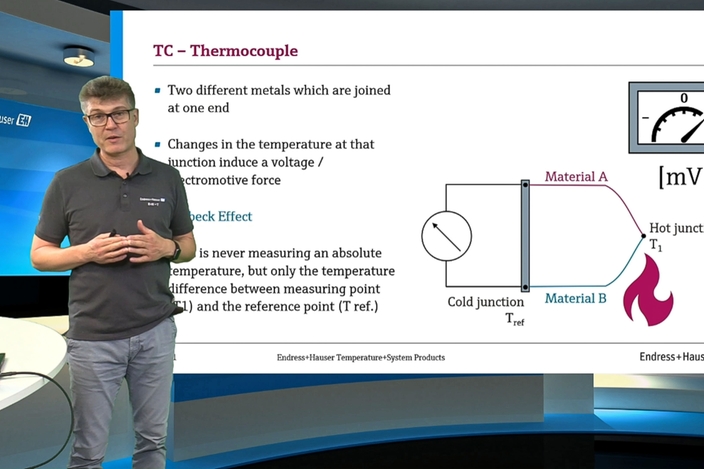
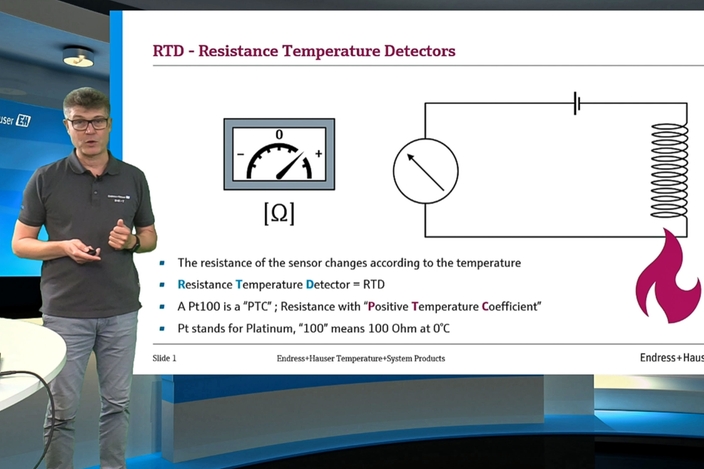
- Temperaturtransmitter: Hierfür wird eine kalibrierte Referenz, beispielsweise ein elektronischer Temperatursensor-Simulator, angewendet.
Kalibrierverfahren werden nach einer Standardarbeitsanweisung (Standard Operating Procedure, SOP) durchgeführt, in der jeder Schritt beschrieben ist. Das Zeitintervall zwischen Kalibrierungen ist nicht allgemeingültig festgelegt, sondern kann anhand der folgenden Faktoren bestimmt werden:
- Gerätetyp und Anwendung
- Herstellerempfehlungen
- Trendanalyse früherer Kalibrierungen
- Historische Daten des Instruments
- Vergleich mit ähnlichen Geräten in der Anlage
- Geforderte Messgenauigkeit
Was ist der Unterschied zwischen Kalibrierung und Justierung
Unter Kalibrierung versteht man im Allgemeinen den Vorgang, bei dem ein Gerät mit einem Bezugsnormal von höherer und bekannter Genauigkeit verglichen wird. Sofern erforderlich, folgt die Justierung nach der Kalibrierung, um während des Vergleichs festgestellte Abweichungen zu korrigieren.
Bei der Kalibrierung wird der Messbereich durch Vergleich mit dem Bezugsnormal verifiziert. Wenn ein Fehler erkannt wird, der größer als der zulässige Grenzwert ist, muss das Instrument justiert werden.

Beim Justieren eines Drucktransmitters wird normalerweise zuerst der Nullabgleich vorgenommen und anschließend die Messpanne justiert. Je nach Alter des Geräts und Spezifikationen des Herstellers können diese Parameter mechanisch oder über Softwareeinstellungen angepasst werden. Nach der Justierung muss der Messbereich erneut im Vergleich zum Normal überprüft werden, um zu bestätigen, dass die Genauigkeit die geforderten Grenzwerte einhält.
Welche Vorteile bietet die Vor-Ort-Kalibrierung?
Die Vor-Ort-Kalibrierung ist gängige Praxis in industriellen Umgebungen, insbesondere während geplanter Produktionsstillstände, wenn mehrere Instrumente kalibriert werden müssen. In solchen Fällen werden oft externe Dienstleister mit der Kalibrierung von Druck-, Temperatur- und Durchflussmessgeräten beauftragt.
Die Kalibrierung im Feld findet immer weitere Verbreitung. Dies gilt auch für die Durchflusskalibrierung. Viele Unternehmen setzen jetzt mobile Kalibrieranlagen ein, um diese Dienstleistungen direkt vor Ort durchzuführen. Beispielsweise bietet Endress+Hauser eine Vor-Ort-Kalibrierung mit fortschrittlichen Anlagen und zertifizierten Fachkräften an.
Die Vor-Ort-Kalibrierung bietet eine ganze Reihe von Vorteilen: Der Transport der Instrumente entfällt, Justierungen und Reparaturen können sofort durchgeführt werden, und der schnelle Austausch von Instrumenten wird erleichtert und alle Arbeiten werden von qualifizierten Experten durchgeführt. Dieser Ansatz verkürzt die Stillstandszeit und gewährleistet die Einhaltung der für die Kalibrierung geltenden Standards.

Wie oft sollte kalibriert werden?
Die Häufigkeit der Kalibrierung hängt von mehreren Faktoren ab, denn dafür gibt es keine allgemeingültige Norm. Best Practices empfehlen, bei der Festlegung von Kalibrierintervallen die folgenden Punkte zu berücksichtigen:
- Kritikalität der Messung für den Prozess
- Anforderungen des Qualitätssystems in der Anlage
- Einhaltung von Vorschriften
- Herstellerempfehlungen
- Auswirkungen eines Ausfalls aufgrund von mangelhafter Genauigkeit
- Weitere technische Anforderungen
Diese Faktoren helfen bei der Aufstellung eines geeigneten Kalibrierplans, der bei Bedarf angepasst werden kann. Moderne IIoT-Lösungen können Planung und Durchführung von Kalibrierungen noch weiter erleichtern, da sie einen einfachen Zugriff auf Gerätedaten und Planungs-Tools bereitstellen.
Was ist die Kalibrierunsicherheit?
Die Kalibrierunsicherheit gibt an, wie hoch die Zweifel bezüglich des Kalibrierprozesses sind. Sie wird durch Faktoren wie Installationsbedienungen, messtechnische Rückführbarkeit auf ein Bezugsnormal und Umgebungsvariablen. Wenn die Kalibrierunsicherheit höher als die Toleranz des Instruments ist, welches kalibriert wird, muss die Gültigkeit der Kalibrierung in Frage gestellt werden.
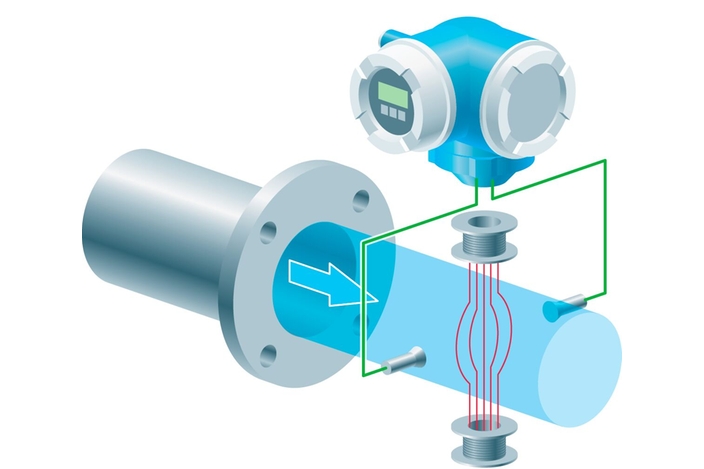
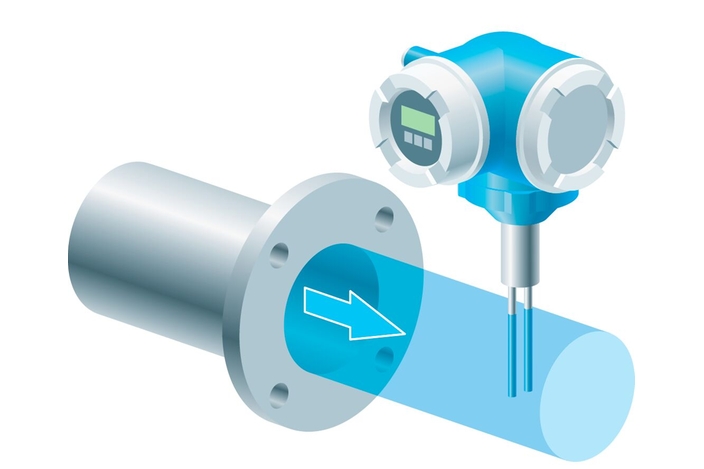
Wenn beispielsweise ein Clamp-on-Durchflussmessgerät zum Kalibieren eines Inline-Geräts verwendet wird, kann dies dazu führen, dass die Kalibrierunsicherheit höher ist als die Toleranz des installierten Messgeräts. Dadurch wird der Prozess unwirksam.
Wissenswertes über eine bestandene bzw. nicht bestandene Kalibrierung
Ein Prüfling kann die Kalibrierung entweder bestehen oder nicht bestehen. Maßgeblich dafür sind seine Toleranzgrenzen, die vom Hersteller definiert werden oder im Zertifikat der Erstkalibrierung angegeben sind. Wenn die Messabweichung während der Kalibrierung die Toleranzgrenze überschreitet, gilt die Kalibrierung als nicht bestanden. In solchen Fällen sollte das Gerät justiert und danach neu kalibriert werden. Wenn die Differenz zwischen dem kalibrierten Gerät und dem Bezugsnormal nach der Justierung innerhalb der Toleranzgrenze liegt, hat das Gerät die Kalibrierung bestanden.
Wie können Kalibrierberichte mit dem IIoT verwaltet werden?
Es ist sehr wichtig, dass Kalibrierdokumente ordnungsgemäß gespeichert werden und zugänglich sind. Moderne IIoT-Services wie Netilion Library ermöglichen eine zentralisierte, cloudbasierte Verwaltung von Kalibrierberichten, technischen Daten und der zugehörigen Dokumentation unter den Tags jedes einzelnen Geräts. Dieser Ansatz sorgt dafür, dass alle Teammitglieder effizient auf Informationen zugreifen, diese gemeinsam nutzen und aktualisieren können. Das spart Zeit bei der Verifizierung im Feld oder beim Abrufen der Aufzeichnungen zu früheren Kalibrierungen.
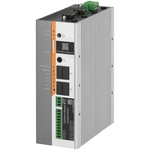
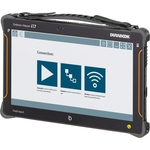
Wenn sie mit Edge Devices integriert sind, können IIoT-Plattformen automatisch digitale Zwillinge aller Instrumente erstellen, sodass von Smartphones, Tablets und Laptops aus auf die Dateien zugegriffen werden kann. Dies vereinfacht die Zusammenarbeit und stellt sicher, dass die technische Dokumentation und Kalibrierberichte zu jeder Zeit verfügbar sind. Effizienz und Konformität werden dadurch noch weiter verbessert.