Wie verbinden Sie Bluetooth®-Instrumentierung mit dem IIoT
Konnektivität: So stellen Sie Verbindungen in drei einfachen Schritten her

In Kürze
- Kabel und Schnittstellen gehören zu den unverzichtbaren Komponenten, um Geräte in industriellen Umgebungen zu verbinden und einzurichten. Oft werden dafür mehrere Dongles für unterschiedliche Protokolle benötigt.
- Die Verwendung von Dongles ist in der Industrie seit langem Standard, ähnlich wie die vielen verschiedenen Adapter und Kabel, die im Alltag verwendet werden.
- Drahtlose Kommunikation hat Schritt für Schritt an Akzeptanz gewonnen. Nach den Anfängen mit begrenzten Standards und proprietären Protokollen hat sie sich inzwischen zu offenen Lösungen wie WirelessHART weiterentwickelt.
- Doch trotz der Fortschritte waren Dongles aufgrund der Komplexität der Anlagen weiterhin relevant – bis jetzt.
- Bluetooth® hat eine Trendwende eingeleitet, denn es ermöglicht eine nahtlose Integration mit der Cloud. Damit wird es zum Motor einer praxistauglichen Digitalisierung für intelligentere Anlagen.


Das Ende des Dongles in der Automatisierung rückt näher
Für den Zugriff auf Gerätekonfigurationen in industriellen Automatisierungssystemen wurden üblicherweise mehrere Adapter und Schnittstellen benötigt. In typischen Situationen wurden unter anderem RS-485-Adapter, HART-Schnittstellen, Ethernet-Kabel oder sogar Werkzeuge für 4...20-mA-Signale angefordert. Diese Komplexität führt oft zu Verzögerungen und Ineffizienzen.
Viele Hersteller stehen hier vor ähnlichen Herausforderungen. Je nach Protokoll und Gerätetyp wird oft eine spezielle Schnittstelle benötigt, um Parameter abzurufen oder eine Diagnose zu erstellen. Lösungen, die vollständig ohne Dongles auskommen, sind zwar noch in Entwicklung, doch drahtlose Technologien ermöglichen bereits jetzt einen schnellen Zugriff auf die Geräte.
Protokolle wie WirelessHART sind zwar deutlich beliebter geworden, im Vergleich zu traditionellen 4...20-mA-Anschlüssen hält sich ihre Akzeptanz jedoch in Grenzen. Und das trotz des Vorteils, dass sie einen Fernzugriff auf Diagnose- und Konfigurationsdaten bieten. Dies wirft eine wichtige Frage auf: Wie kann drahtlose Technologie effektiv in kleineren Anwendungen implementiert werden?
Die Antwort liefern Geräte, die mit einem zusätzlichen Protokoll ausgestattet sind: Bluetooth®. Diese Technologie ermöglicht einen schnellen und einfachen Zugriff auf Gerätedaten und gewährleistet gleichzeitig die Verbindung zur Steuerung über das 4...20-mA-Standardsignal.
Vereinfachung des Zugriffs mit Bluetooth®-fähigen Feldgeräten
Der Austausch eines Geräts durch ein ähnliches Modell ist wesentlich einfacher als die Umstellung auf ein Gerät mit einem anderen Protokoll. Doch Modernisierung ist unausweichlich, und während dieses Übergangs bleibt der Zugriff auf Diagnose- und Konfigurationsdaten ein kritischer Faktor.
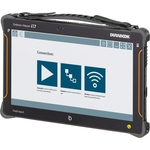
Neue Feldgeräte sind jetzt in der Lage, zwei verschiedene Kommunikationsmöglichkeiten bereitzustellen. Sie behalten die klassische 4...20-mA-Integration, und gleichzeitig bieten sie einen Konfigurations- und Diagnosezugriff über eine mobile App auf einem Smartphone oder Tablet. Für diese lokale Verbindung muss sich der im Feld arbeitende Techniker allerdings in der Nähe des Geräts befinden.
Bei kleineren Anwendungen kommt eine weitere Herausforderung hinzu: Wie kann aus der Ferne auf Diagnosedaten zugegriffen werden, die über Bluetooth® erfasst wurden, und wie können diese Daten in größere Systeme integriert werden? Hierfür gibt es eine Lösung: Bluetooth®-Geräte können die Diagnose jetzt mithilfe von IIoT-Services in die Cloud übertragen. Bei Remote-Anwendungen können außerdem primäre und sekundäre Prozessvariablen in bestehende Systeme integriert werden.

Die Implementierung ist einfach und lässt sich in drei Schritten erledigen. So können Unternehmen bei ihrem Einstieg in das IIoT das große Ganze in den Blick nehmen, aber zunächst klein anfangen.
Anleitung: in drei Schritten zur digitalen Anlage
Unternehmen, die die Vorteile der Bluetooth®-Technologie in bestehenden Anlagen oder neuen Anwendungen nutzen möchten, können dies in drei einfachen Schritten erreichen. Die genaue Beachtung dieser Schritte sorgt dafür, dass alle relevanten Daten sicher in der Cloud verfügbar und zur Integration und Analyse bereit sind.
Schritt 1 – Bluetooth®-fähige Geräte
Immer mehr moderne Feldgeräte unterstützen Bluetooth®-Kommunikation und vereinfachen dadurch ihre Anbindung und Konfiguration. Wenn beispielsweise ein Temperaturtransmitter ausgetauscht werden muss, können Sie nun ein Modell auswählen, das Bluetooth® mit traditionellen 4...20-mA- oder anderen Technologien kombiniert. Für neue Anwendungen, die Fernüberwachung erfordern, bieten Bluetooth®-Geräte eine effiziente Möglichkeit, um die Daten lokal zu erfassen und drahtlos an ein Edge Device zu übertragen.
Schritt 2 – FieldEdge
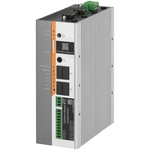
Nachdem ein Bluetooth®-fähiges Gerät installiert ist, können seine Daten erfasst und über ein Edge Device, beispielsweise das FieldEdge SGC200 von Endress+Hauser, an eine Cloud-Lösung gesendet werden. Das FieldEdge SGC200 wird lokal mit Strom versorgt und kann bis zu fünf Endress+Hauser Geräte in einem Umkreis von 20 Metern verbinden. Es überträgt primäre Prozesswerte (primary process values, PV), sekundäre Prozesswerte (secondary process values, SV) und NAMUR NE107-Statusinformationen. Die Kommunikation mit der Cloud erfolgt über 3G oder 4G mit einer integrierten globalen SIM-Karte. Die dabei angewendete Verschlüsselung gewährleistet maximale Sicherheit. Wichtig ist auch, dass die Kommunikation nur in eine Richtung erfolgt: Das Edge Device liest die Daten zyklisch aus und verhindert so jegliche Versuche, Feldgeräte aus der Ferne zu steuern.
Schritt 3 – Cloud-Lösung und API
Um die Einrichtung fertigzustellen, muss ein Abonnement für einen Cloud-Service abgeschlossen werden. Angebote wie Netilion stellen ein umfassendes IIoT-Ökosystem bereit, das das Edge Device, die Cloud-Infrastruktur und eine Programmierschnittstelle (API) umfasst. Die Cloud-Plattform führt alle Felddaten in einer sicheren Umgebung zusammen. Netilion Connect verwendet eine REST/JSON API, die eine einfache Aufnahme der Daten und ihre Integration in Steuerungssysteme, SCADA oder kundenspezifische Anwendungen ermöglicht. Dieser Ansatz bietet die nötige Flexibilität und Skalierbarkeit, damit Unternehmen Felddaten sicher und effizient nutzen können.
Anwendungsbeispiele
Die Implementierung der Bluetooth®-Technologie in kleineren Anwendungen ist ein praxistauglicher erster Schritt in Richtung Digitalisierung. Die nachfolgend genannten Anwendungsfälle veranschaulichen das Potenzial dieser Technologie, wenn sie mit IIoT-Cloud-Services kombiniert wird:
Überwachung durch Ferndiagnose
Kritische Messstellen können dank Bluetooth®-Geräten aus der Ferne überwacht werden. Dieser Ansatz stellt Informationen über den Gerätestatus nach NE107 bereit. Sie ermöglichen eine Zustandsüberwachung, die ungeplante Stillstandszeiten reduziert und einen auf historischen Diagnosedaten basierenden Wechsel von korrigierender zu vorausschauender Wartung unterstützt.

Füllstandsüberwachung
Wenn Bluetooth®-Geräte von Endress+Hauser zusammen mit dem FieldEdge eingesetzt werden, ermöglicht dies eine einfache Füllstandsüberwachung von jedem beliebigen Ort aus. Daten und Diagnose-Infos können über Netilion Connect in bestehende Systeme integriert werden. Für das Lagerbestandsmanagement bieten zusätzliche Lösungen wie Netilion Inventory oder SupplyCare erweiterte Funktionen.

Kleine Anwendungen
Für kleinere Anlagen, in denen Füllstand, Durchfluss oder Temperatur überwacht werden müssen, stellen Bluetooth®-Geräte in Kombination mit FieldEdge SGC200 und API-Integration eine flexible, kostengünstige Lösung bereit. Da für die sichere Erfassung und Übertragung der Daten nur ein Minimum an Infrastruktur benötigt wird, ist dafür gesorgt, dass die Daten überall verfügbar sind, wo sie benötigt werden.

Zusammenfassung
Bluetooth®-fähige Geräte bieten eine einfache und effektive Möglichkeit für die Übertragung kritischer Daten in die Cloud. In Kombination mit Edge Devices und API-basierten Lösungen sorgt dieser Ansatz für eine sichere Datenerfassung und bietet die nötige Flexibilität, um Informationen in jedes System Ihrer Wahl zu integrieren.